
Troy Symons is our Beenleigh Franchisee and Personal Trainer. He is one of the leading and most experienced Personal Trainers in Beenleigh and Logan areas. Here’s what Troy has to say about a common issue related to protein intake when losing weight.
Protein and fat lo ss
ss

One conception that is generally accepted in most people views on fat loss is the need for reduction in total calories consumed per day. That is a reduced amount of food eaten per day than the body is burning. However, there is a considerable number of factors to consider with this view and these must be adhered to if safe, effective long-lasting fat loss is your goal. Simply by reducing total calories per day, is not a guaranteed formula for successful sustainable fat loss. One factor to consider is your bodies’ protein requirements each day. Remember, protein is the second most plentiful thing besides water found in the human body. Every living cell in your body is being constantly rebuilt daily. Each muscle, skin, hair, nails for example, are rebuilt every six months on average. Your body can only rebuild with the material you provide it with, that is food choices. So basically, you could consider yourself living proof of what you ate six months ago. Each cell, muscle and so forth comes primary from protein. So, if your protein sources are inadequate for your bodies demands then if forces it to source its needs else were. This scenario causes the body to get protein from other sources within the body i.e.: muscle. That is the body can and will break down muscle to full fill its protein requirements. Put simply a builder can only build a house with the materials s/he has been provided with. Substandard materials will produce substandard results. Alternatively, if s/he had first class materials then the house would turn out considerably different. Interesting if the body does not get provided with enough protein daily and is forced into the condition as previously explained, this causes a chain of defensive events to occur within the body, which can negate effective fat loss results.
Fat is stored energy
Number one is the body can enter what is referred to as a semi-starvation state. This is due to the fact the body is breaking itself down (protein deficient) it considers to be starving, irrespective of the number of calories you are consuming. To offset this effect the body produces an abundance of an enzyme that converts food to fat. Fat simply is stored energy, which is something you would need if you were starving!! How many times have you heard of people going on a diet and initially losing weight only to put it back on and then some? Well it is this enzyme at work or really working against you that causes this phenomenon. Number two in negative effects is the loss of muscle that can and usually does occur. Muscle is where fat is burnt for fuel, so you are taking away the one thing that can reduce your bodies’ fat stores. Remember this also, muscle weighs three times what fat does so the scale changes you may see (weight reduction) are not always a correct and through picture of what is happening with your body composition.
Protein synthesis
So, based on this premise, it is imperative that you fulfill your bodies’ protein requirements to effectuate any real long-lasting fat loss. However, to do this it is important to understand how the body absorbs protein daily. The body can and will only be able to take in small amounts of protein in any one sitting, as protein synthesis is a continuous activity. If you overeat protein at any one meal most of it will be a waste as it can only absorb a small amount in one go. This opportunity reoccurs approximately every 2-3 hours depending on the person’s metabolism. If you miss a chance to absorb protein in one sitting it cannot or is extremely difficult be made up for in the next meal/s. So, to maximise your opportunity to absorb protein you must eat small amounts spaced throughout the day. This is the key to correct and accurate protein absorption, thus meeting your body’s requirements you will be able to create a more idealistic state for fat loss to occur.
Second you determine your approximate lean body muscle mass (which is your weight minus the fat). Remember this is can be an estimate only. So, someone who is not that active generally requires around one (1) gram of protein per kilogram of body weight per day. A person who trains approximately three (3) times per week generally needs approximately 1.5 grams per kilogram of bodyweight. Then above that for example someone training above four (4) times per week of a high intensity nature needs two (2) grams plus per kilo of bodyweight. Once again this is an individual thing. As we can only absorb protein as previously discussed approximately every 2-3 hours and the average person is awake approximately 15 hours per day then that allows six (6) meals to be consumed. Breakfast upon awaking, then five (5) meals per three (3) hours = 15 hours. Your total protein for the day divided by six gives you a good guide as to how much protein your body can absorb at one meal and this is the targeted amount you should strive to include in each meal.
Table 1 Frequency of Training per Approximate Protein Requirements.
| Frequency of Training per Week | Required Grams of Protein per Body Weight |
| 1-2 | 1g (x Lean Body Weight) |
| 3 | 1.5 (x lean body weight) |
| 4 | 2g (x lean body weight) |
For example; A 70 kg male person, (approximate lean bodyweight) who trains three (3) times per week. Therefore, he would be required to consume approximately one and a half (1.5) grams of protein per kilo of bodyweight as per Table 1 (above). By taking these values from Table 2 (below) we can see that the total amount of protein required per day (Column C) is 105g and examples for increasing bodyweights.
Table 2 Approximate grams of Protein per Body Weight Calculation.
| Lean Body Weight | Grams Protein Per Kilo of Body Weight | Total Protein Required Per Day |
| 70kg | 1.5/kg | 105g |
| 80kg | 1.5/kg | 120g |
| 90kg | 1.5/kg | 135g |
Table 3 Approximate target grams of Protein per Meal 1.
| Total Protein (g) Required Per Day (Column C, Table 1) | Divided by 6 Meals per day = Protein (g) Consumed per Meal |
| 105g | 17.5 |
| 120g | 20g |
| 135g | 22.5 |
So, this person should aim at getting at least 18 grams (rounded) of protein at each one of his meals.
Remember this is quite simply an approximate guide only but is useful in determining your protein levels and highlighting potential deficiencies currently being experienced. Important also you must increase fluid intake as you gradually increase your total daily protein intake.
What protein sources should I look at consuming?
- You should aim at consuming as much quality and variety in your diet generally and of course this includes protein sources.
 Protein sources
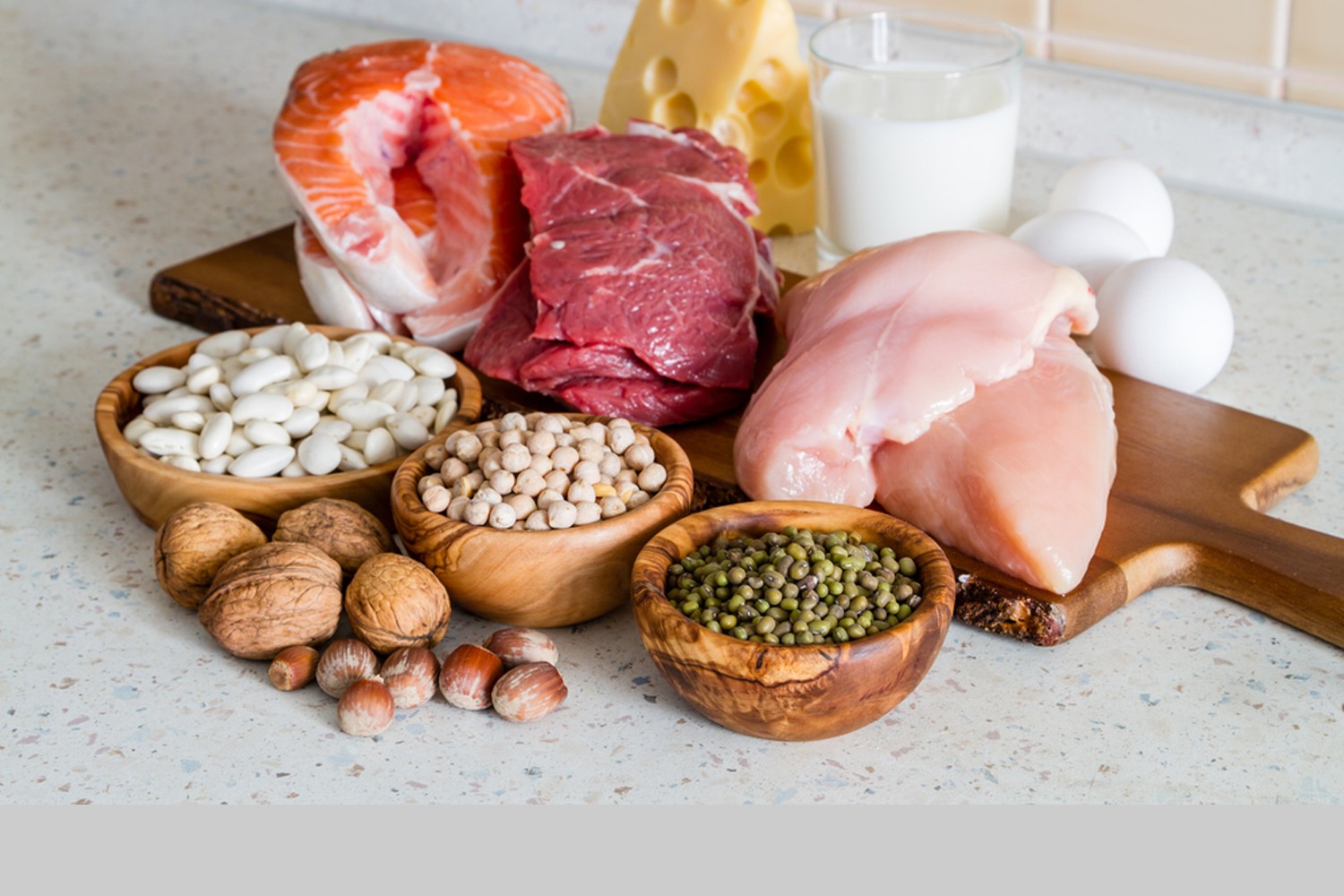
- Lean choices of; Red meat, chicken breast, turkey breast
- Fish (salmon, tuna etc)
- Eggs (predominately the whites)
- Lentils
- Beans
- Soya beans
- Protein Supplements such as Whey protein isolate
Carbohydrates
- Organic oats
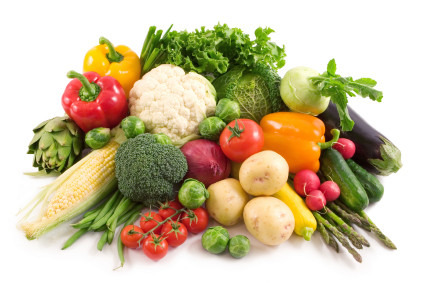
- Green Vegetables
- Salads
- Corn

- Carrots
- Pumpkin
- Colley flower
- Small portions of fruit
- Mushrooms
- Capsicum
- Pasta
- Potatoes
- Sweet potatoes
- Broccoli
- Brown rice
- Whole wheat breads

Fats
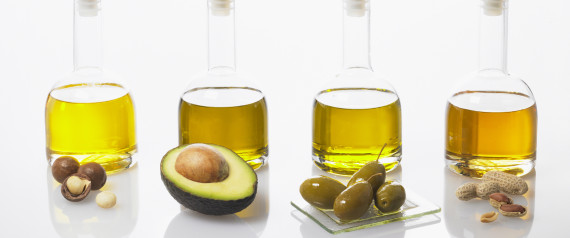
- Macadamia Nut Oil
- Raw Almonds, Cashews, Walnuts
- Avocados
- Omega 3 oils found in fish
- Olive Oils
In summary:
- Access your current protein consumption and adjust accordingly.
- To effectuate effective and sustainable fat loss you must work on achieving your body’s protein requirements daily.
- Aim for good low-fat quality protein sources and if required utilise a high standard protein supplement.
- It takes a holistic approach to fat loss including dietary adjustments, hydration levels, exercise program, and reducing stress levels. Protein is but a component of this whole process.